
Communicating with clarity, control, and impact
In today’s fast-paced and fragmented media landscape, effective communication is essential. Whether sharing news, responding to emerging issues, or elevating your organization’s impact, your ability to speak clearly and with purpose determines how audiences understand—and remember—your message.
This training guide equips leaders with tools to stay in control of their message, communicate with confidence, and deliver interviews that resonate.
WHY THIS MATTERS
If you don’t define your story, someone else will.
Being strategic, not reactive, is essential in earning trust and credibility.
Summary Checklist
Before any media engagement, confirm that you:
Preparation + clarity + discipline = effective communication.
Modern audiences consume information differently.
- Skim headlines
- Switch rapidly between sources (“spider webbing”)
- Use multiple devices at once
- Silence notifications
- Seek content on their own terms
- Share stories instantly
- Influence what gains traction
Your message must break through quickly, clearly, and relevantly.
What drives effective communication
Successful media engagement requires:
- Preparation
- Consistency
- Message clarity
- Authenticity
- Control of the narrative
Maintaining control is not about avoidance; it’s about ensuring the audience hears what matters most and what you want them to know.
CONTROL TACTICS
- Bridge back to your key messages
- Correct misinformation calmly
- Pause before answering
- Redirect unproductive questions
- Stay composed under pressure
Your core messaging should:
- Focus on three key messages
- Include proof points, data, or stories
- Tell the complete story (who, what, when, where, why, how)
- Anticipate likely questions
- Avoid jargon
- Be memorable and repeatable
These messages serve as your north star throughout any interview or public statement.
A messaging framework that works
Use this four-part structure to build a strong narrative:
- What we do
- Introduce the organization or initiative with clear examples
- How we do it
- Explain your strategy, partnerships, and approach
- Results achieved
- Share measurable impact or personal stories
- Where to learn more
- Offer action steps, resources, links, or ongoing opportunities
This structure moves audiences from awareness → understanding → belief → action.
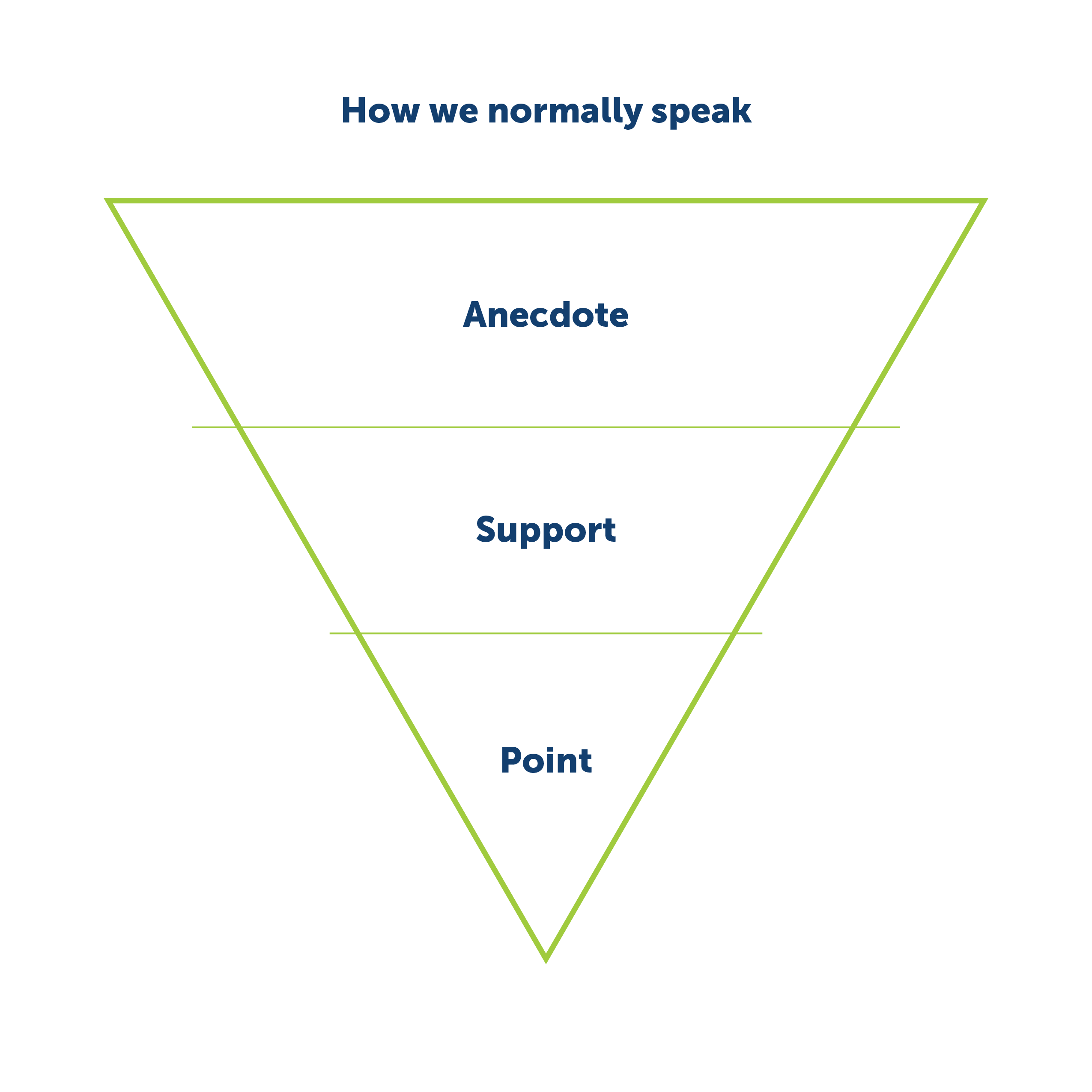
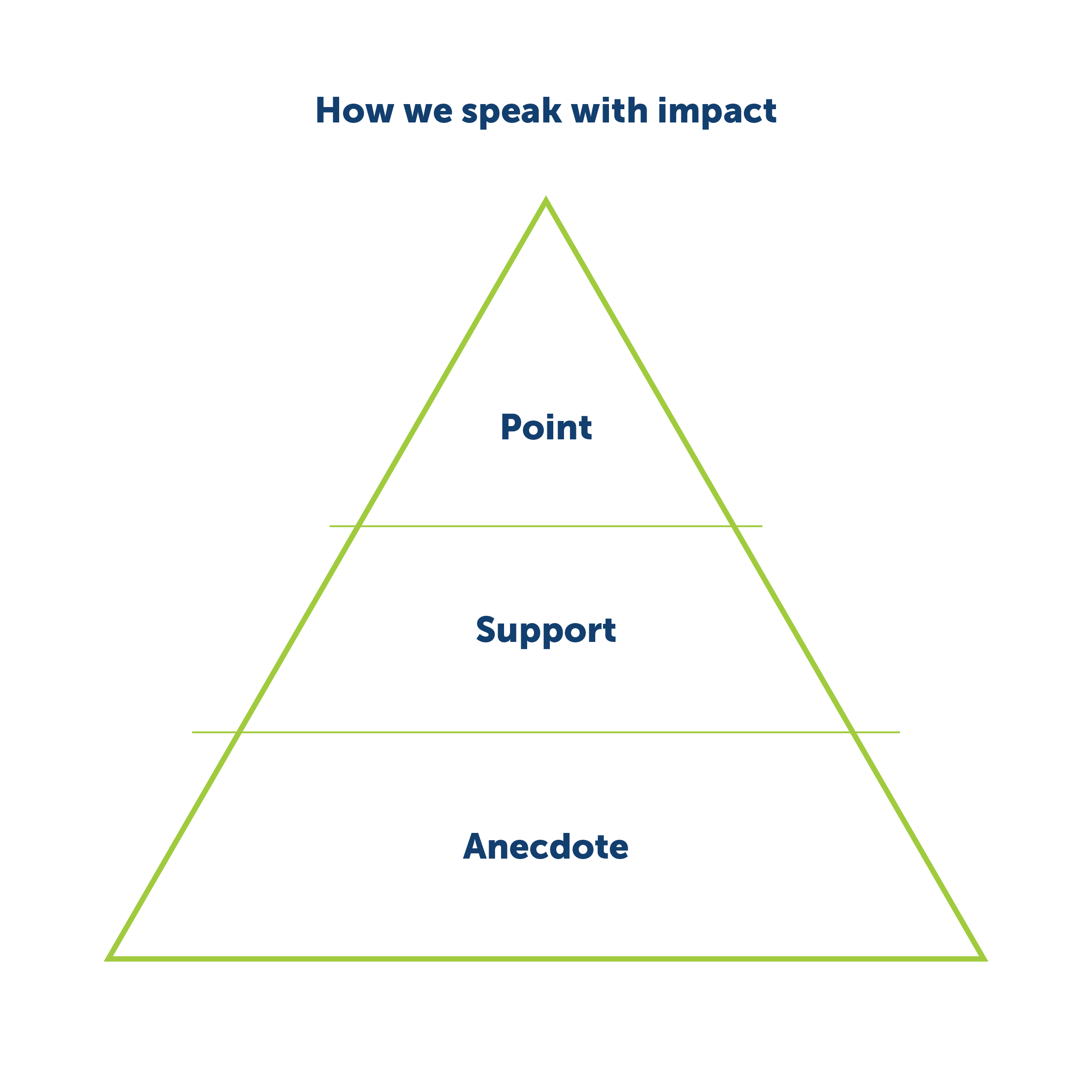
Instead of reacting to each question:
- Use concise, audience-centered language
- Reinforce your key messages frequently
- Share a headline-worthy takeaway
- Use analogies or anecdotes to bring ideas to life
Your goal: shape the story, not simply answer questions.
BUILD YOUR HEADLINE
If you don’t define your story, someone else will.
Being strategic, not reactive, is essential in earning trust and credibility.
Practice makes prepared
Rehearsing builds:
- Confidence
- Message discipline
- Awareness of pacing
- Ability to respond under pressure
Practice aloud, especially for tough questions.
Non-Verbal Communication
Your presence says as much as your words. Effective non-verbal cues include:
- Open stance and slight forward lean
- Natural hand gestures
- Simple attire and solid colors for TV
- Attentive posture and facial expressions
Non-verbal communication shapes trust, credibility, and connection.
TV REALITY CHECK
You may speak for five minutes,
but only five seconds may air.
Lead with your strongest, briefest points.
Certain phrases create risk or misinterpretation:
- “Off the record” — rarely reliable
- “On background” — ambiguous
- “No comment” — signals avoidance
Instead, say what you can say and redirect toward your message.
Follow these steps:
- Get basic information: topic, angle, deadline, questions
- Decide on an interview vs. a prepared statement
- Develop and refine key messages
- Provide additional materials if helpful
- Follow up for fact-checking
You never need to answer immediately. Take time to prepare.
INTERVIEW VS. STATEMENT: WHAT TO WEIGH
Lean toward an interview when:
- The story is one you want broadly shared, and you want your passion, energy, and personality to come through. Quotes pulled from a real conversation tend to feel warmer and more human than a statement.
- You have a spokesperson who is comfortable on camera or on the phone and can speak confidently and on-message about the topic.
- The subject is fairly straightforward, and you’re not worried about being misunderstood.
- It’s a broadcast outlet (TV or radio) that needs an actual voice or face, where a written statement won’t meet their format.
- Building or strengthening a relationship with that reporter or outlet matters to you for the long term.
Lean toward a written statement when:
- The topic is easy to take out of context, and you want control over every word.
- The subject carries reputational risk or could become controversial.
- Accuracy is critical, e.g., specific data, dollar figures, partner names, or anything with medical, legal, or privacy implications.
- Multiple partners or stakeholders need to review and approve the language before it goes out.
- Your spokesperson isn’t available before the reporter’s deadline, or simply isn’t the right voice for this particular story.
A few questions to ask yourself either way:
- Is it appropriate for our organization to comment? Make sure the story falls within your mission and expertise, and that you’re the right organization to speak to it. Sometimes the better move is to defer to a partner, decline, or refer the reporter elsewhere.
- What’s the reporter’s deadline? A tight turnaround may make a short written statement more realistic than scheduling an interview.
- Who’s the best messenger? The right answer is sometimes a program leader or someone with lived experience rather than your executive director.
- How much message control do I need? Do I feel like I have to review anything before it runs? You usually can’t approve a reporter’s final story, but a written statement does more to guarantee your exact words are on the record.
NOTE: You don’t have to make this call alone. The bi3 Communications team is always happy to talk through a media opportunity, help you decide on the best approach, or review a draft statement before it goes out. Reach us at communications@bi3.org.