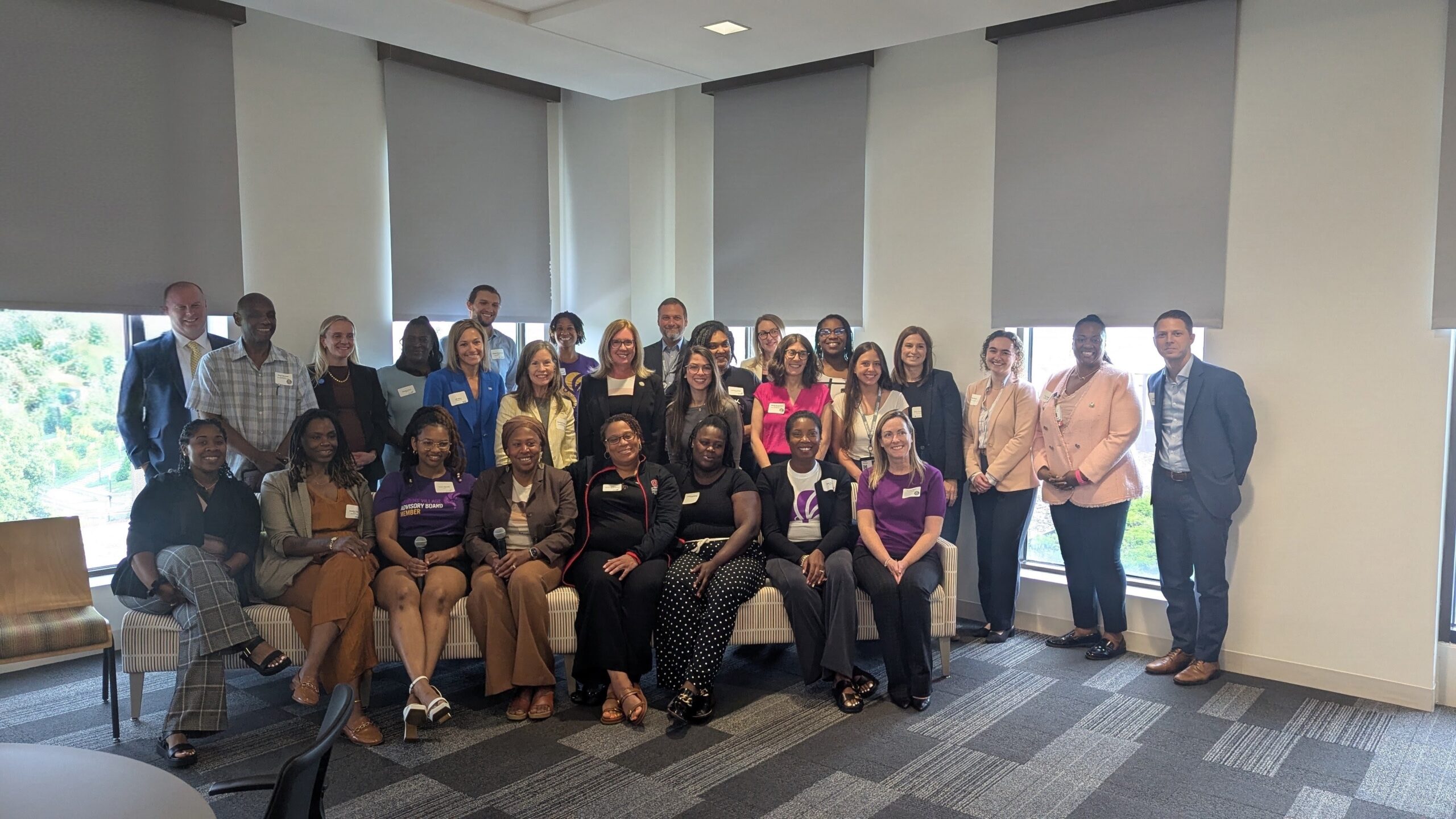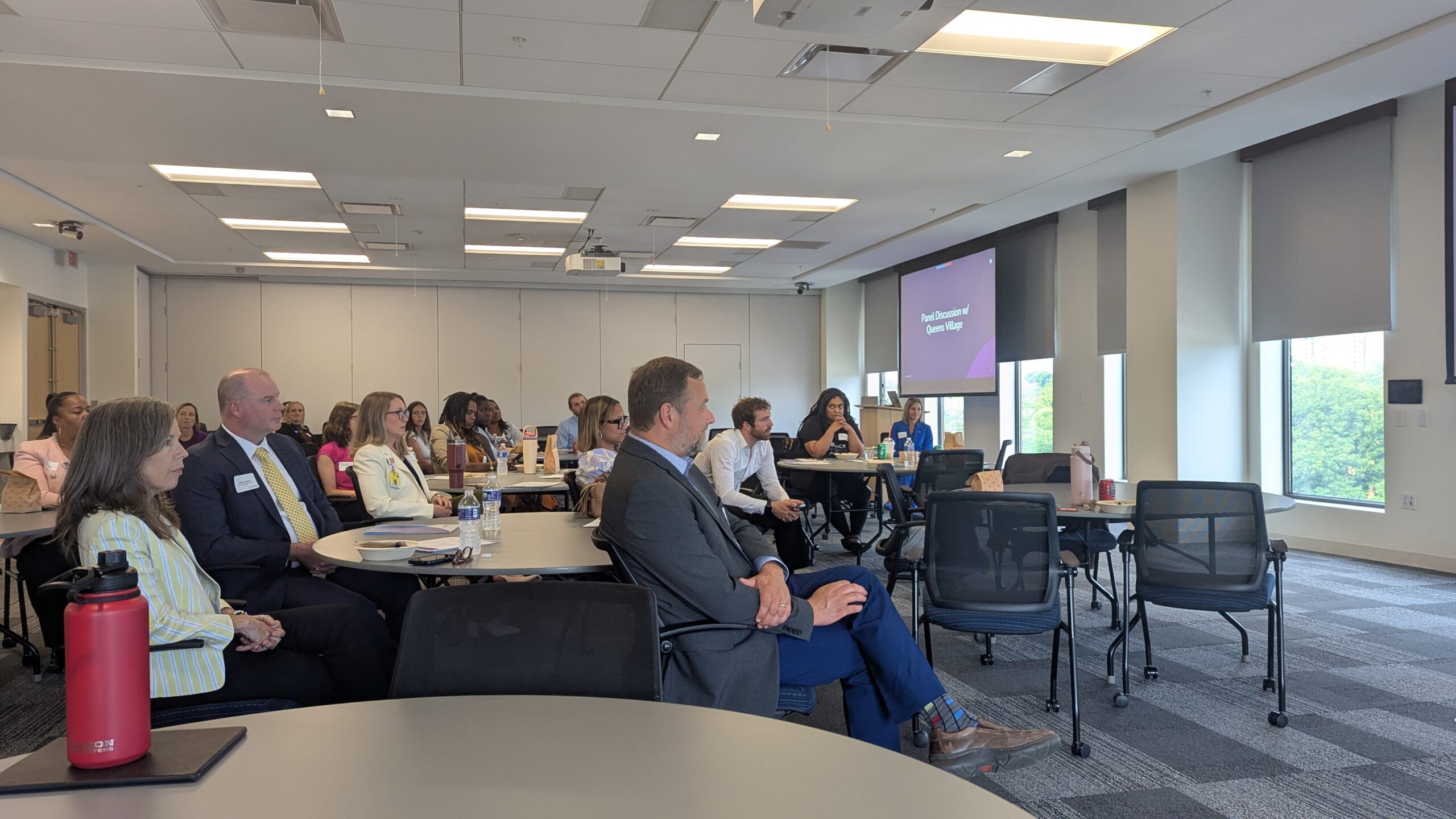

On August 5, bi3 Fund and Cradle Cincinnati welcomed area policymakers and health leaders to a legislative briefing focused on maternal and infant health in Hamilton County and why it is essential to the health, strength and prosperity of our entire region.
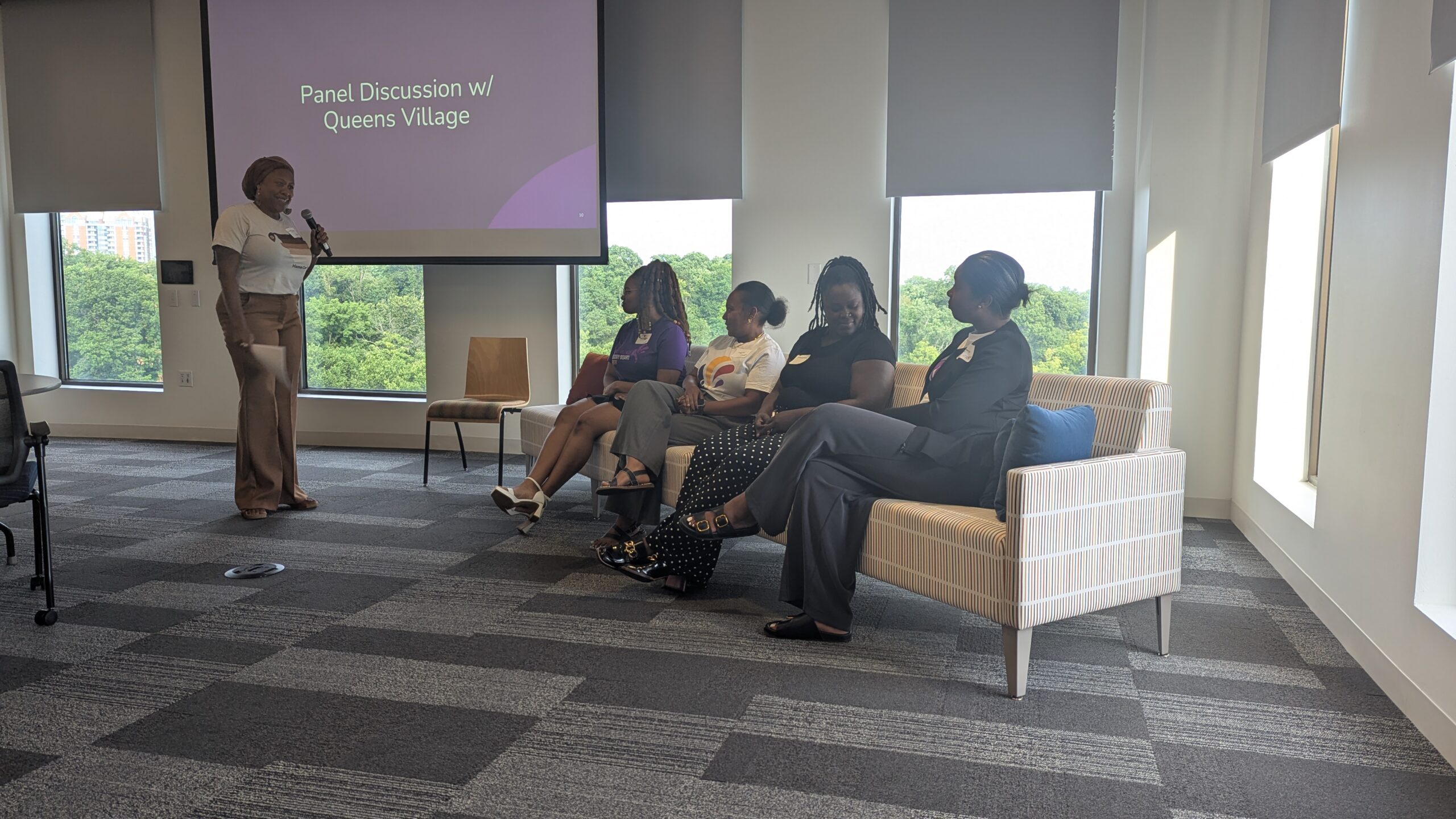
The gathering gave attendees, including Ohio House Representatives Cecil Thomas, Cindy Abrams, Karen Brownlee, Rachel Baker, and Ashley Bryant-Bailey, Hamilton County Commissioner Denise Driehaus, and Hamilton County Health Commissioner Greg Kesterman, an opportunity to review the latest infant mortality data, hear directly from mothers about their experiences, and better understand the policies and systems that can help families thrive.
What policymakers heard
During the briefing, policymakers heard both the latest infant mortality data for Hamilton County and mothers’ firsthand accounts of the realities behind the numbers.
Cradle Cincinnati shared that the preliminary infant mortality rate rose to 9.3 deaths per 1,000 live births in 2025, up from 6.8 in 2024 and 5.5 in 2023. Policymakers also heard that Black babies are 79% more likely to die before their first birthday in Hamilton County.
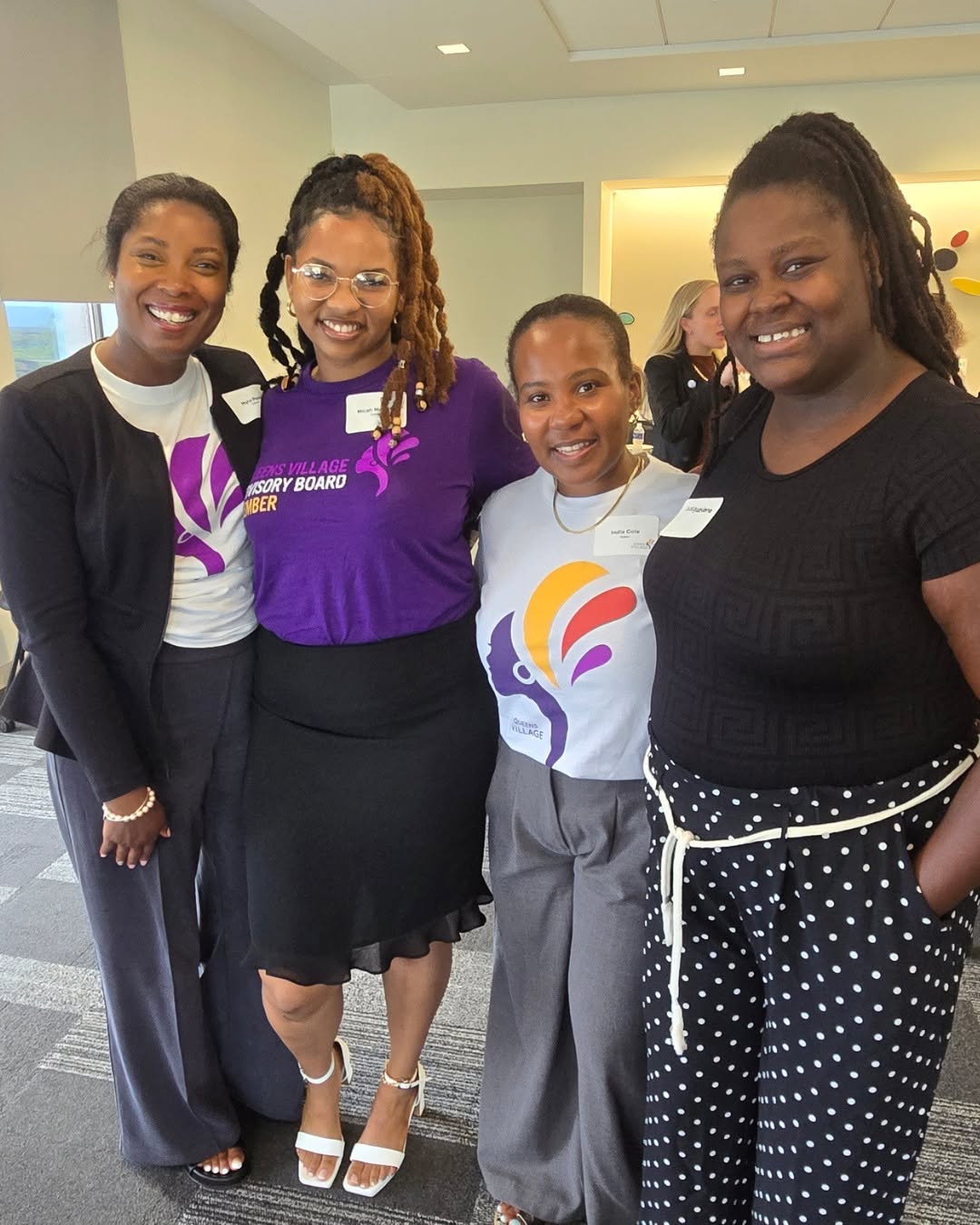
A Queens Circle conversation featuring mothers connected to Queens Village brought the data to life. Mothers shared their experiences during pregnancy, birth, and their baby’s first year, including the people and programs that helped, as well as barriers such as transportation, insurance, cost, childcare, and lack of paid leave.
Together, the data and mothers’ stories underscored an important message: these outcomes are not inevitable. Hamilton County’s progress in 2023 showed what is possible when families have the support they need and healthcare providers, community organizations and public leaders work together. Building on that progress will require protecting what works and strengthening the conditions that help mothers, babies and families thrive.
Where families continue to face barriers
Despite important progress, significant gaps remain.
Families continue to experience limited access to doula care because of reimbursement barriers, gaps in perinatal mental health services, too few housing options for pregnant women and families, and insufficient support after a baby is born.
Demand for community health workers and other trusted, community-based support also exceeds current capacity. At the same time, housing instability, financial strain and chronic stress continue to create barriers to healthy pregnancies and births.
These challenges cannot be addressed by the healthcare system alone. They require coordinated policy and systems solutions that strengthen healthcare while also improving the broader conditions families need to be healthy.
What is working and worth protecting
The briefing also highlighted the strong foundation already in place across Hamilton County.
City and county health departments are aligned in their work and committed to timely data sharing. Black women are shaping solutions and systems change. Hospitals and community members are partnering through initiatives such as Mama Certified and Queens Village Hospital Advisory Boards.
State investments also support direct services, community engagement, and proven infant mortality strategies through Cradle Cincinnati and community partners serving families at the greatest risk.
These efforts demonstrate what is possible when healthcare organizations, public agencies, community-based organizations, funders and families work toward shared goals. Protecting and building upon them will be critical to reversing recent trends and sustaining progress.
What’s Next
Reducing infant mortality will take more than one program, organization or policy. It will require sustained partnership, continued investment and a shared commitment to ensuring every family has access to the care, resources and support needed for a healthy pregnancy, birth and first year of life.
We are grateful to the mothers who shared their experiences and recommendations; to our partners at Cradle Cincinnati, TriHealth, and Queens Village; to attendees from Mercy Health and UC Health; and to the policymakers who joined us to listen and learn.
The briefing was not the end of the conversation. bi3 Fund and its partners will continue sharing what was heard, engaging policymakers and working together to strengthen the systems that help mothers, babies and families thrive.
Because when families are healthy, our entire region is stronger.