
bi3 supports our strategic partner, TriHealth, in fueling innovation and evolving care models, while strengthening its culture and systems to better support all patients. This results in better health outcomes for everyone in the Greater Cincinnati community.
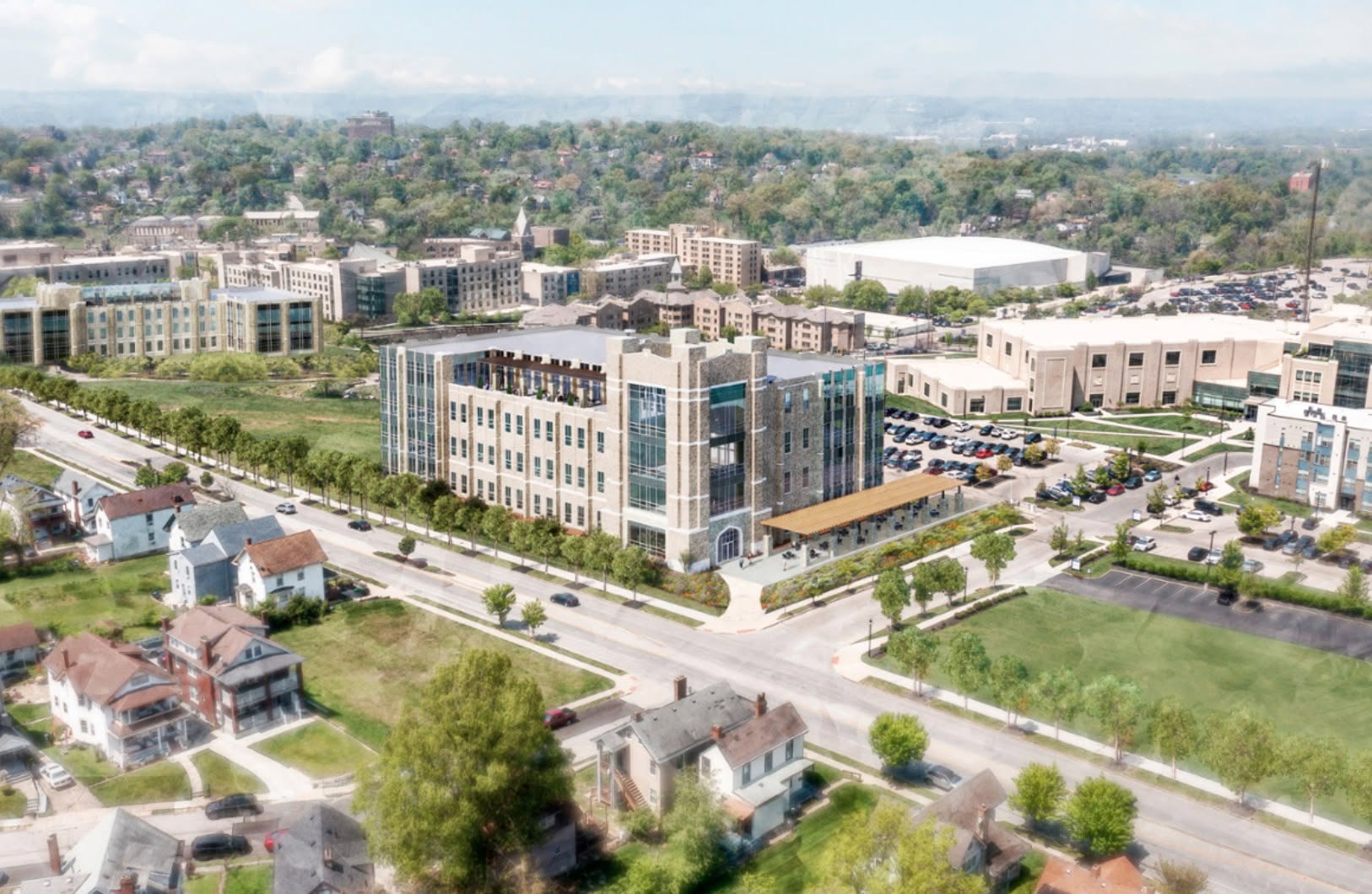
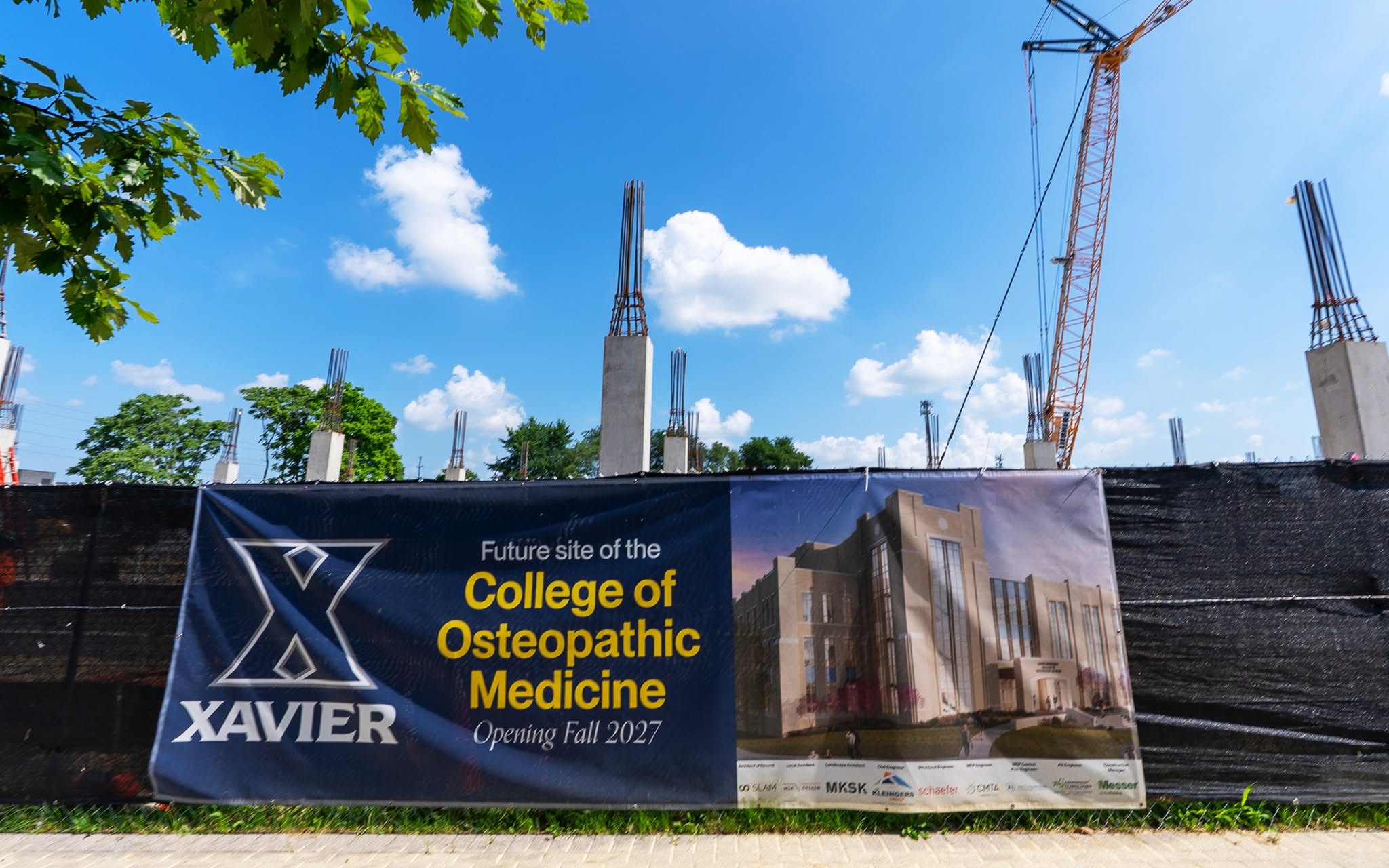
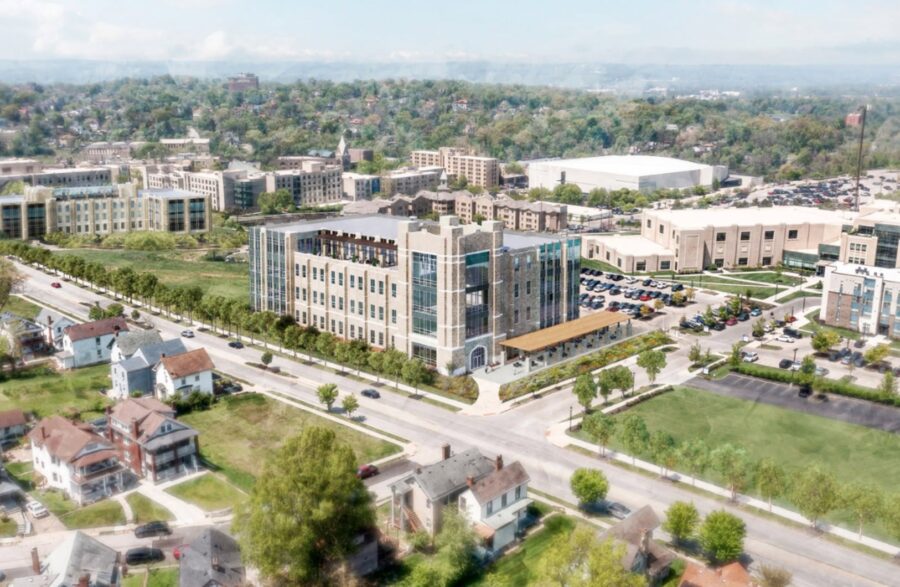
When Xavier University announced plans to launch a new College of Osteopathic Medicine, it represented more than a new academic program. It created an opportunity to address one of healthcare’s most pressing challenges: Ensuring communities have enough physicians to meet growing needs.
For TriHealth, becoming the major clinical teaching partner for Xavier’s new medical school was a strategic decision rooted in community impact.
“We started by asking, ‘Why should we do this?'” said Will Groneman, Senior Advisor to the CEO at TriHealth. “The answers were clear. It strengthens the physician pipeline, benefits the community by increasing physician capacity, and improves quality and safety while bringing together two strong Cincinnati institutions.”
Supported by an $8 million investment from the bi3 Fund, the partnership is helping create new pathways for medical education and physician training that could shape healthcare in Greater Cincinnati for decades to come.
Building a pipeline of physicians
Healthcare workforce shortages are affecting communities across the country, including Cincinnati. Recent reports estimate a national shortage of up to 86,000 physicians within 10 years, and this shortage could be significantly worse if we are successful in reducing barriers to care for historically underserved communities[i].
One of the most effective solutions to these shortages is surprisingly straightforward: Train physicians locally.
Research consistently shows that physicians are more likely to practice in the same region where they complete their medical education and residency training. By expanding opportunities for students and residents to train in Greater Cincinnati, TriHealth and Xavier are helping create a stronger local workforce.
“Our first goal is the pipeline,” Groneman said. “If physicians train here, many will stay. Some will work at TriHealth, and others will work elsewhere in the region. Either way, the community benefits.”
As Xavier’s medical school grows, TriHealth will provide clinical training opportunities for approximately half of its students while continuing its existing educational partnerships with other local institutions, including the University of Cincinnati.
Expanding training in high-need specialties
The partnership also includes the development of three new residency programs: Internal Medicine, Psychiatry, and Anesthesiology. Each was selected because of significant workforce needs facing both TriHealth and the broader community.
The Internal Medicine residency will include a strong emphasis on primary care and population health, helping future physicians understand the important role primary care plays in preventing illness and improving long-term health outcomes.
Psychiatry addresses another urgent challenge.
“We’ve made significant investments in mental health services to better identify patients who need help and connect them to care, but ultimately you need psychiatrists to support the system,” Groneman said. “There simply aren’t enough.”
The new Anesthesiology residency similarly addresses recruitment challenges while helping create a sustainable workforce for the future.
Teaching improves care
The benefits of medical education extend far beyond students.
Teaching hospitals often see improvements in quality, safety, and innovation because physicians are continuously engaged in learning, mentoring, and applying the latest evidence-based practices. Student questions can also strengthen clinical decision-making.
“When you have residents, you have to teach best practice,” Groneman said. “You have to stay current. You have to make sure your processes and care models reflect the latest evidence.”
Academic environments also help attract talented physicians and create new opportunities for research and innovation. Investments that ultimately benefit patients throughout the region.
A long-term investment in community health
Launching new residency programs requires years of preparation before the first resident arrives. Program directors must be hired, infrastructure must be developed, facilities must be prepared, and accreditation requirements must be met.
That’s where bi3’s investment is helping accelerate progress.
“The funding helps bridge the gap between building the programs and the point where federal graduate medical education funding begins,” Groneman said. “It allows us to invest now in something that will become self-sustaining over time.”
Xavier’s first medical students will arrive in 2027, ramping up to full capacity over the next two years.
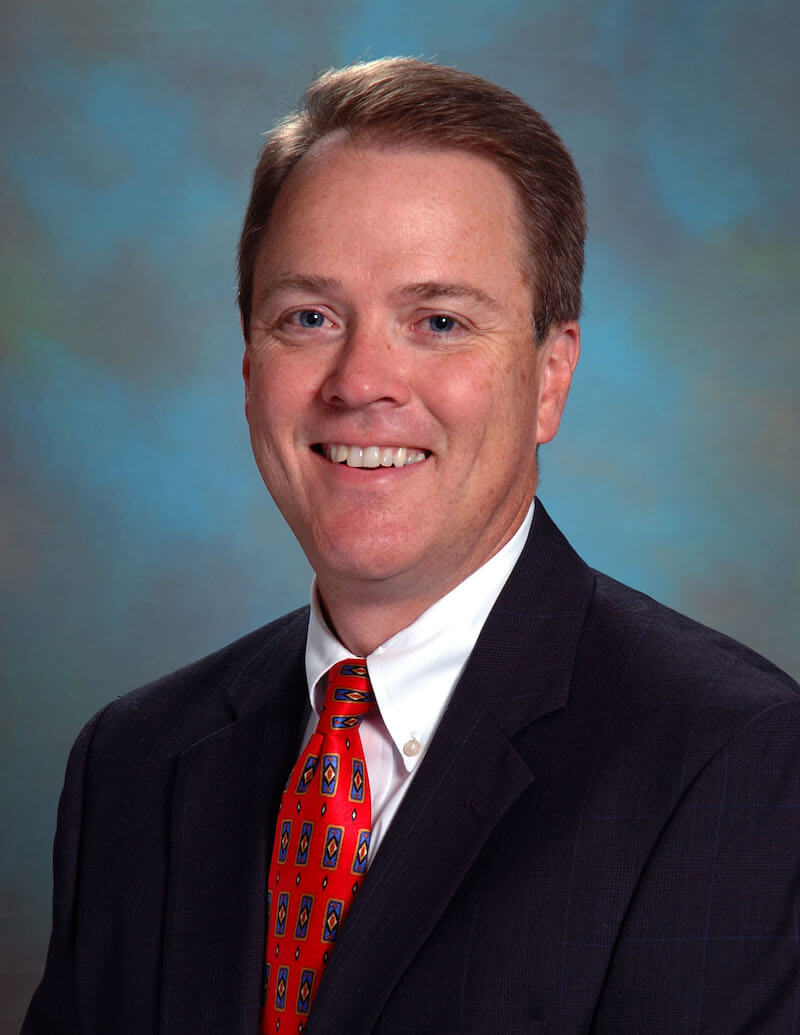
Will Groneman
Senior Advisor to the CEO at TriHealth